Robotics · 13 October 2026 · 5 min read
The US Army has inducted its first robotics technicians
Ten warrant officers are now 390A specialists, Military Times reported on 12 October. The course makes them build drones that navigate without GPS. It does not say how many machines the Army will field.
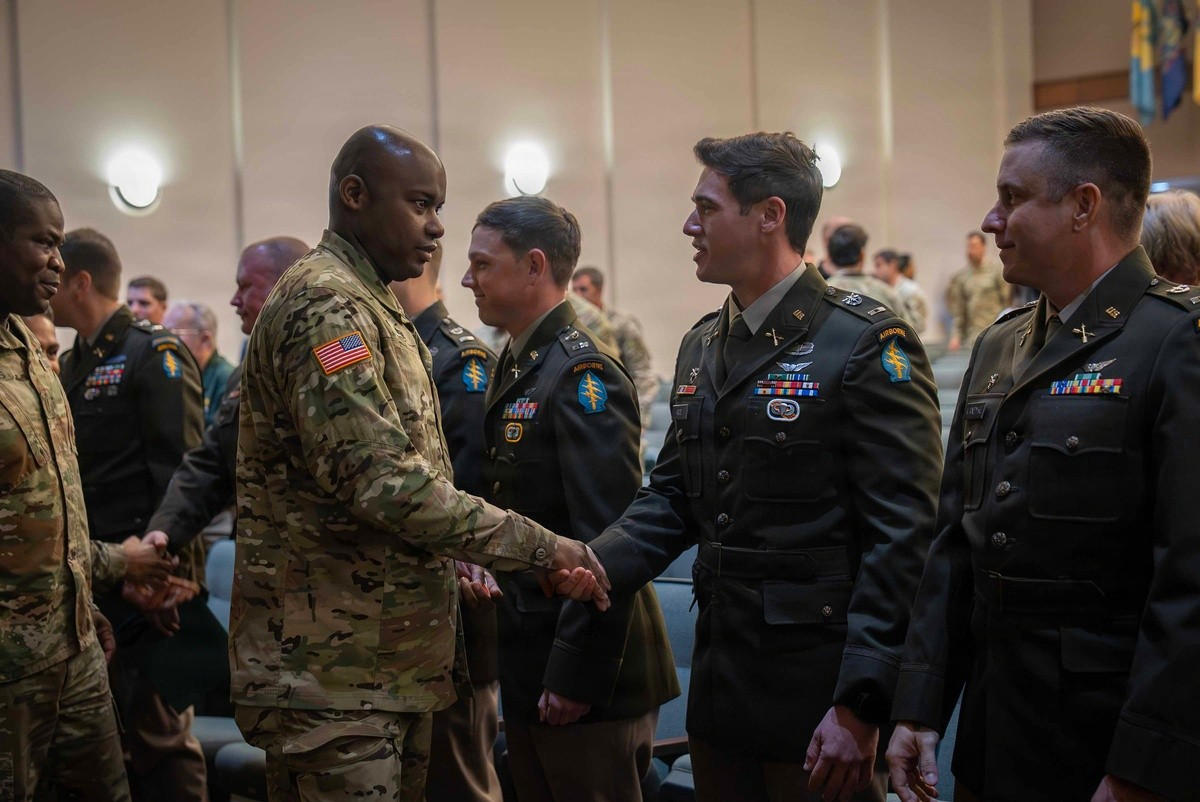
The US Army has started filling a job it has been designing since 2024. Military Times reported on 12 October that ten warrant officers were formally introduced as 390A robotics technicians at the John F. Kennedy Special Warfare Center and School. They are meant to be the people a commander asks before using a robotic or autonomous system: how to program it, how to build it, how to repair it, and whether it belongs in the plan at all. They will sit with tactical formations at brigade and group level.
The training is the part that is about machines rather than rank. Candidates take a 19-week course and have to build drones from scratch that do not depend on GPS or a radio link to find their way. The Army’s account of the course, as reported, says those aircraft are to navigate mainly with artificial intelligence and machine learning. That is a hard requirement. A drone that only works when a satellite and a clear frequency are available is a drone that fails in the conditions the course is written for.
A specialty is not a fleet
Chief Warrant Officer 5 Jerry Brown told Military Times that this cannot be an extra task for someone who already has another job. The point of the specialty is that the knowledge has to be someone’s actual work. General Christopher LaNeve, the Army’s vice chief, said the service is adding a multi-domain task force with autonomous long-range fires, and that these technicians are there to help command teams understand how the systems fit together. He said the Army is scaling that across the force. He did not say how many technicians, or how many aircraft.
Ten people is an induction, not an inventory. What it does mark is a buyer that has decided autonomous systems need a trained human whose job is the machine, in the same way a factory eventually hires someone whose job is the robot rather than asking a line supervisor to learn it on a Tuesday. The course tells you what that person must be able to do: design, program, and keep a small aircraft working when the usual navigation is gone. It does not tell you how many of those aircraft exist.