Primary subject
Robotics
Machines that sense their surroundings and act on them. This section explains the types in commercial use, what a buyer is actually purchasing, and when a robot needs outside location, identity or compute.
Industrial arms
In production
A fixed task in a known cell. Most paid robot work still looks like this.
Mobile robots
In production
Move goods through warehouses and factories that were not built as a single line.
Drones and field machines
Task-limited
Survey, spraying, inspection and transport. Weather and regulation set the limit.
Humanoids
Pilot
Aimed at buildings made for people. Count deployed hours, not demonstration clips.
What is in scope
Hardware that repeats a job: actuators, power, sensors, the onboard computer, and what happens when the scene is not the one in the announcement. Fleets matter more than a single unit, because service, insurance and identity only become concrete at that scale.
Networks appear here as suppliers. A robot that stays inside one operator’s building can use a private system. A robot that shares roads, sites or customers may need a sharper location, a checkable identity, or computation it does not carry. Those are the decentralized-network questions that belong next to a robotics note.
Latest
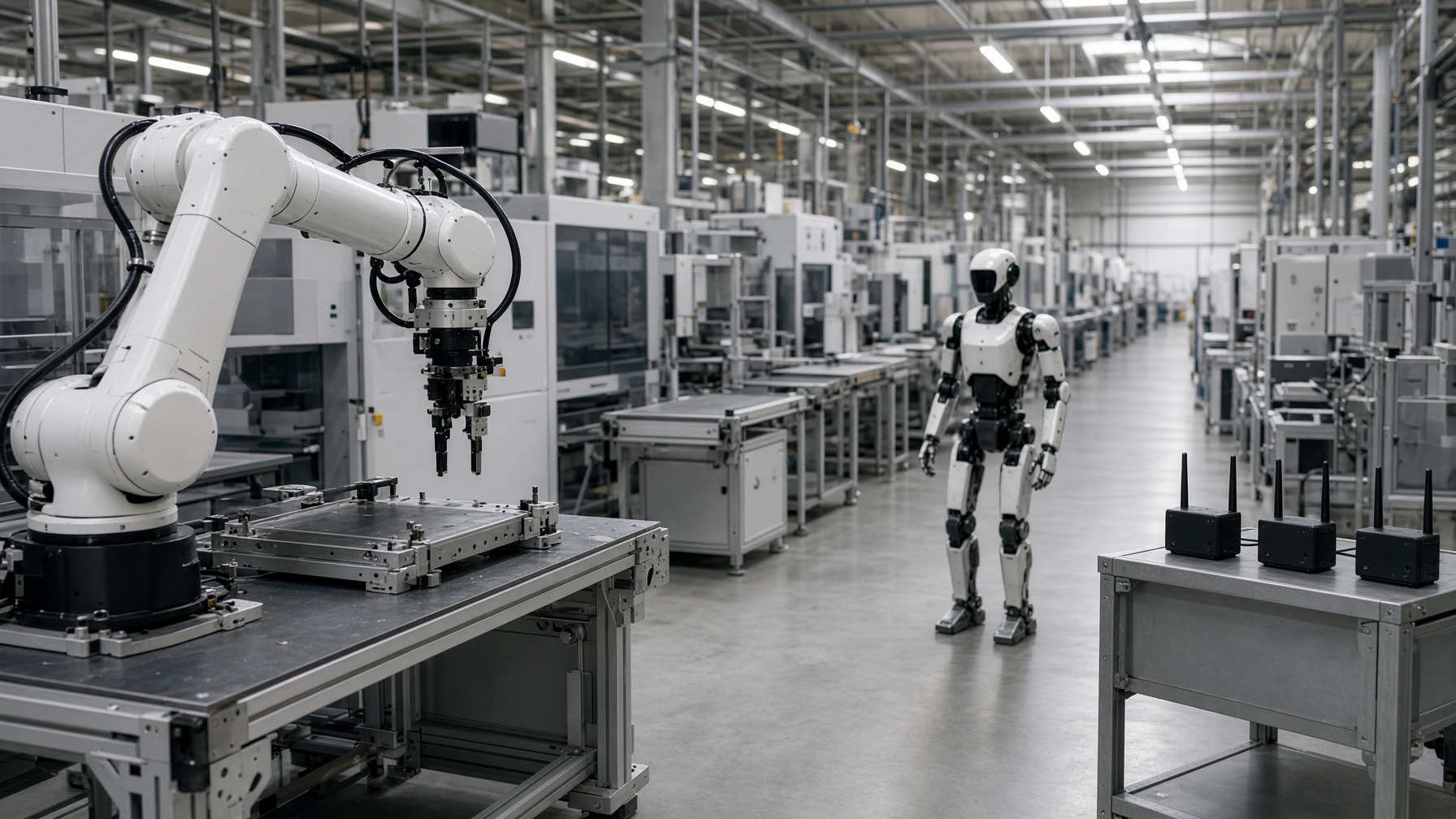
- Robotics · 7 October 2026Identity checks, phone compute, and one cobot with a recordThe week’s machine-economy news is not a new humanoid. It is plumbing: proof a machine is real, proof a person is real, and processors a robot might hire.
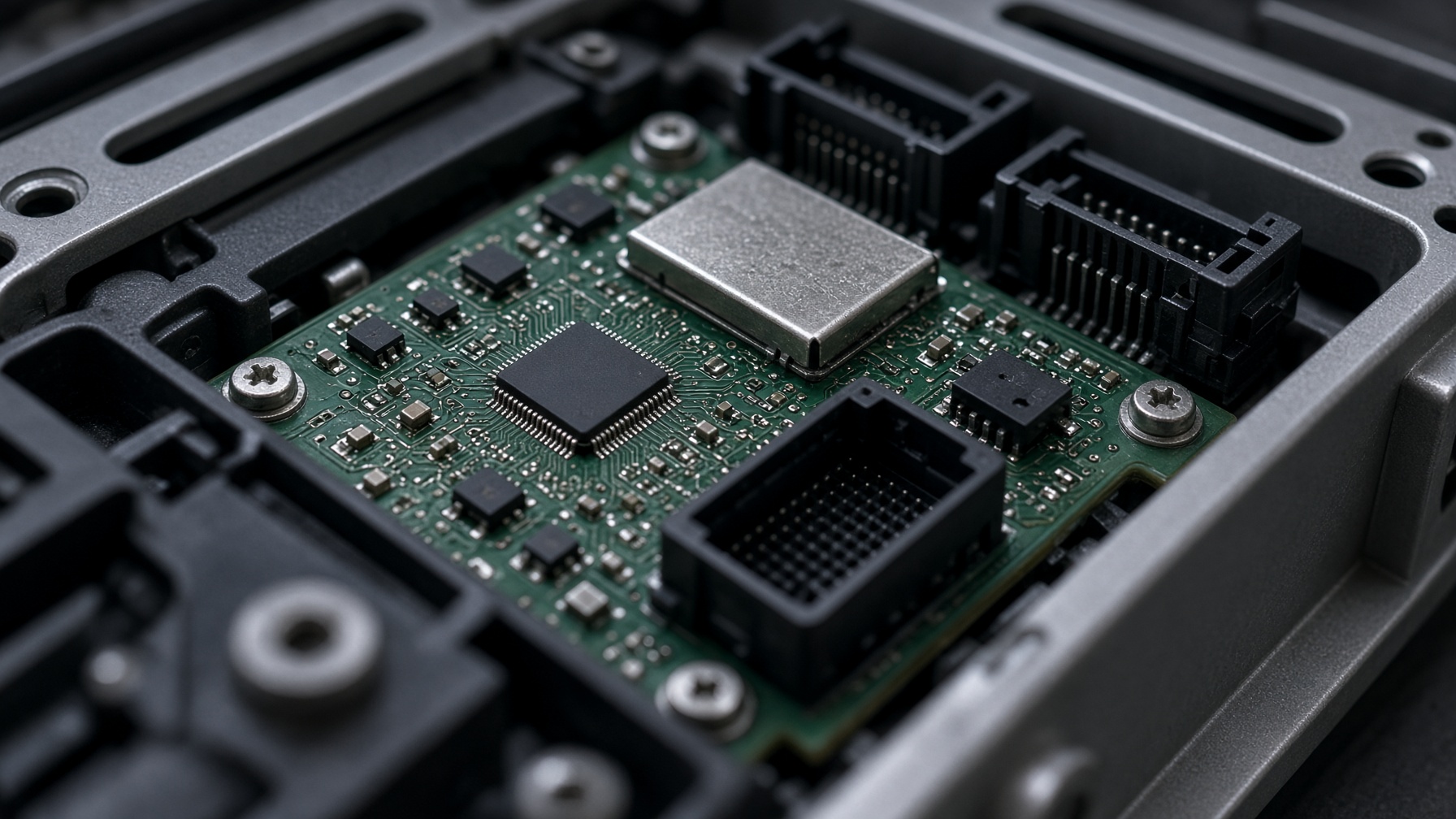
- Robotics · 1 October 2026peaqOS can now ask a machine to prove its chip is realVerify, the sixth peaqOS function, checks a secure-element signature against the manufacturer’s certificates and ties that result to the machine’s identity.
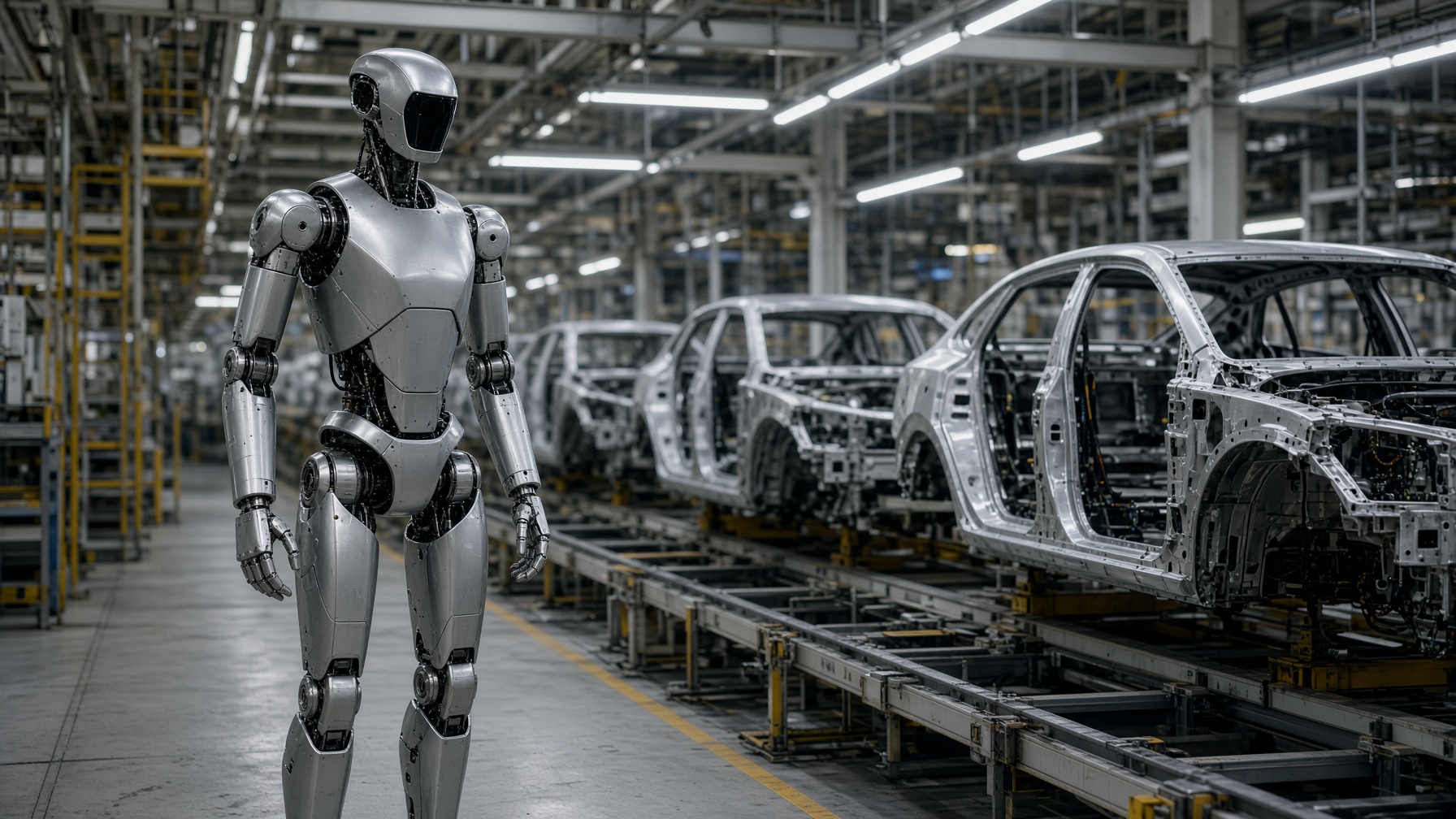
- Robotics · 26 September 2026Optimus is still an internal fleetReported output is up, and the machines people can point to are still inside Tesla, gathering data. No outside customer has been shown a delivered unit.
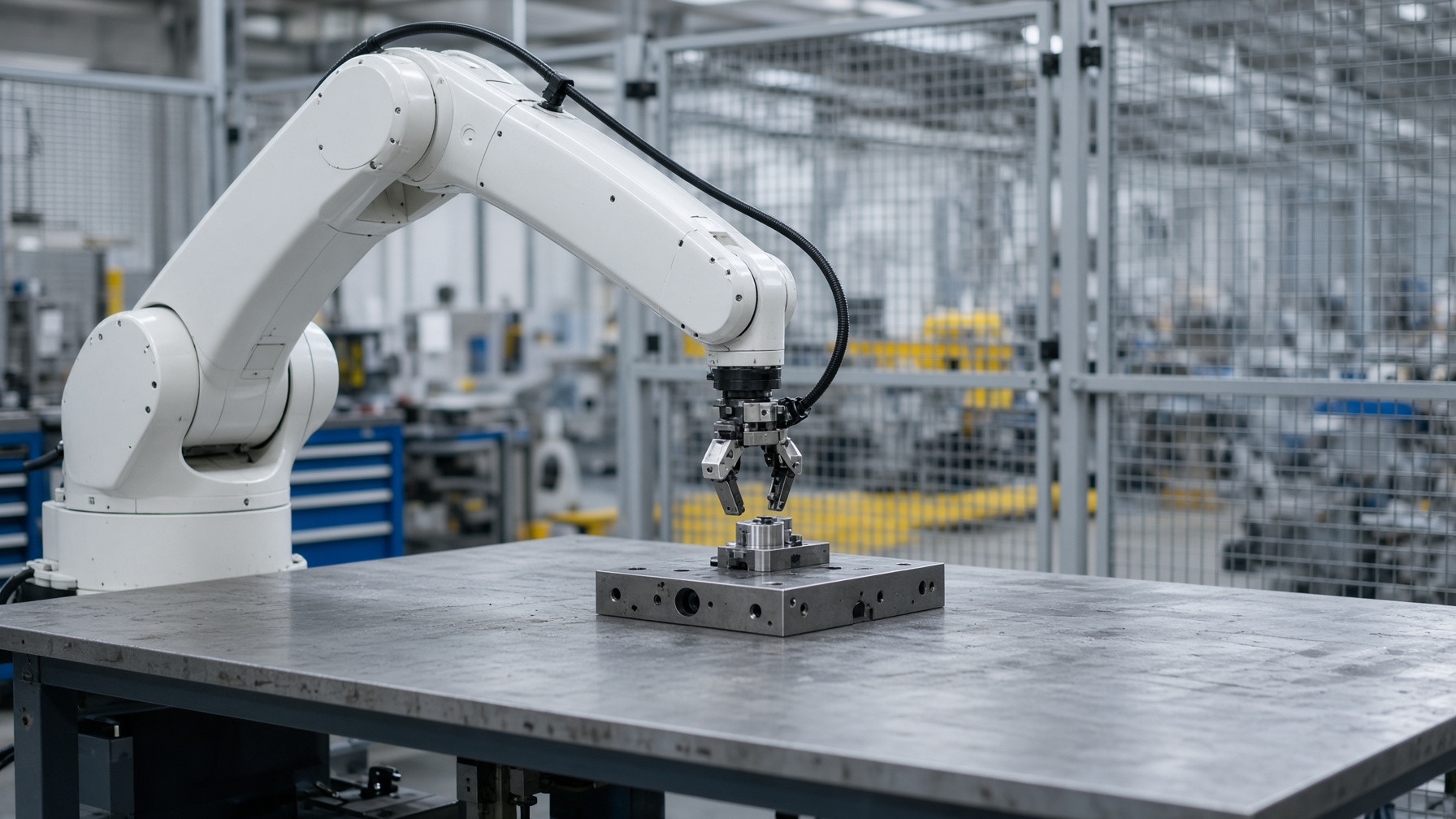
- Robotics · 17 September 2026A Doosan cobot is the first to run the peaqOS Pro stackDoosan Robotics and peaq say an A-Series collaborative robot now carries an onchain identity and a performance record. Students in Munich are the first group on it.
Background
- Robotics · BackgroundWhat the machine economy isA plain account of what changes when robots and other machines can identify themselves, prove work, and settle for it.
- Robotics · BackgroundWhat a robot is made ofHumanoids get the photograph. The work is actuators, power, perception, a small computer, and software that fails in boring ways.
- Robotics · BackgroundIdentity before paymentsA wallet does not tell you which robot did the job. Fleets, insurers and other machines need a stable answer first.
- Robotics · BackgroundLocation is infrastructurePhone GPS finds a café. It does not park a robot in a bay or keep a farm machine on a row.