Robotics · 12 November 2026 · 3 min read
NTT says a physics model lifted a stacking success rate to 92.3 percent
NTT said on 11 November that a world model predicts whether a load will collapse or fall before a robot moves. On a small-robot shelf-stacking task the success rate rose from 73.1 percent to 92.3 percent. The company says the first intended use is airport baggage, and that it will run trials with Mujin.
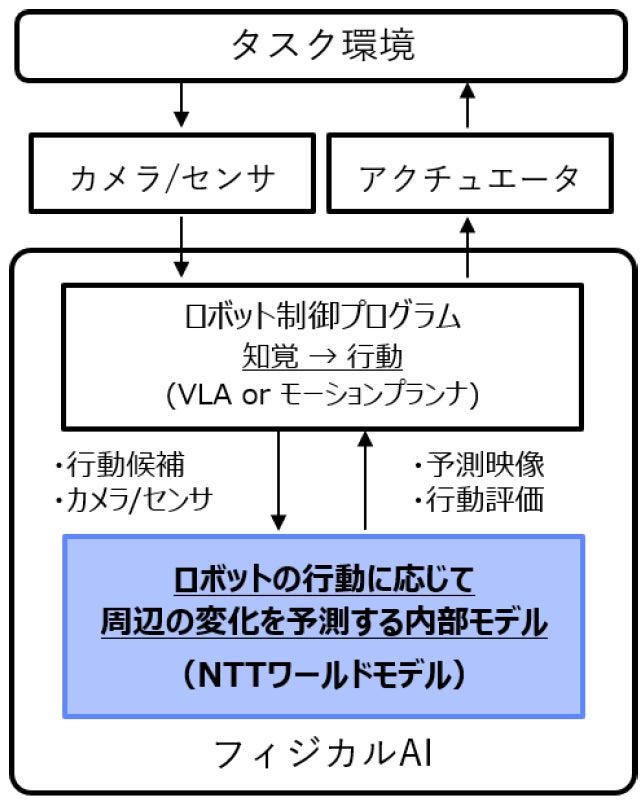
NTT said on 11 November that it has built a world model that, before a robot moves, scores several possible actions for the chance a load will collapse or an object will fall. The company says the model treats weight, orientation and speed as explicit quantities and predicts the next state from equations of motion. It says a component it calls a physics-control adapter is combined with a video-generation model so the system can predict interactions between objects.
On a shelf-stacking task with a small robot, meant to stand in for loading, NTT says the success rate rose from 73.1 percent to 92.3 percent. It says the model also beat earlier methods on a public benchmark, and it does not name that benchmark’s score in the summary of the release. The first application it describes is loading and unloading airport baggage of different shapes and weights. It says it will run field trials with Mujin, and that later uses could include logistics, manufacturing, construction and retail.
More in Robotics
- NVIDIA Physical AI Revenue Nearly Triples YoY, Pacing for $25 Billion in FY27 as Fab and AMR Deployments Scale
- BlackBerry QNX Targets Physical AI Robotics Growth as NVIDIA Standardizes on QNX for Halos Safety Stack
- Texas A&M Opens $200 Million Space Institute Near NASA JSC With Lunar and Martian Robotics Testbeds