Robotics · 31 October 2026 · 5 min read
Meta’s reported humanoid is called Max. No one has published the machine
The Information said on 31 October that Meta built a prototype called Max with Fourier and is working on a second version. Its editor called the project a physical embodiment of Muse. Reuters carried the partnership and said it could not verify the report. The wire story has no weight, no chip and no launch date.
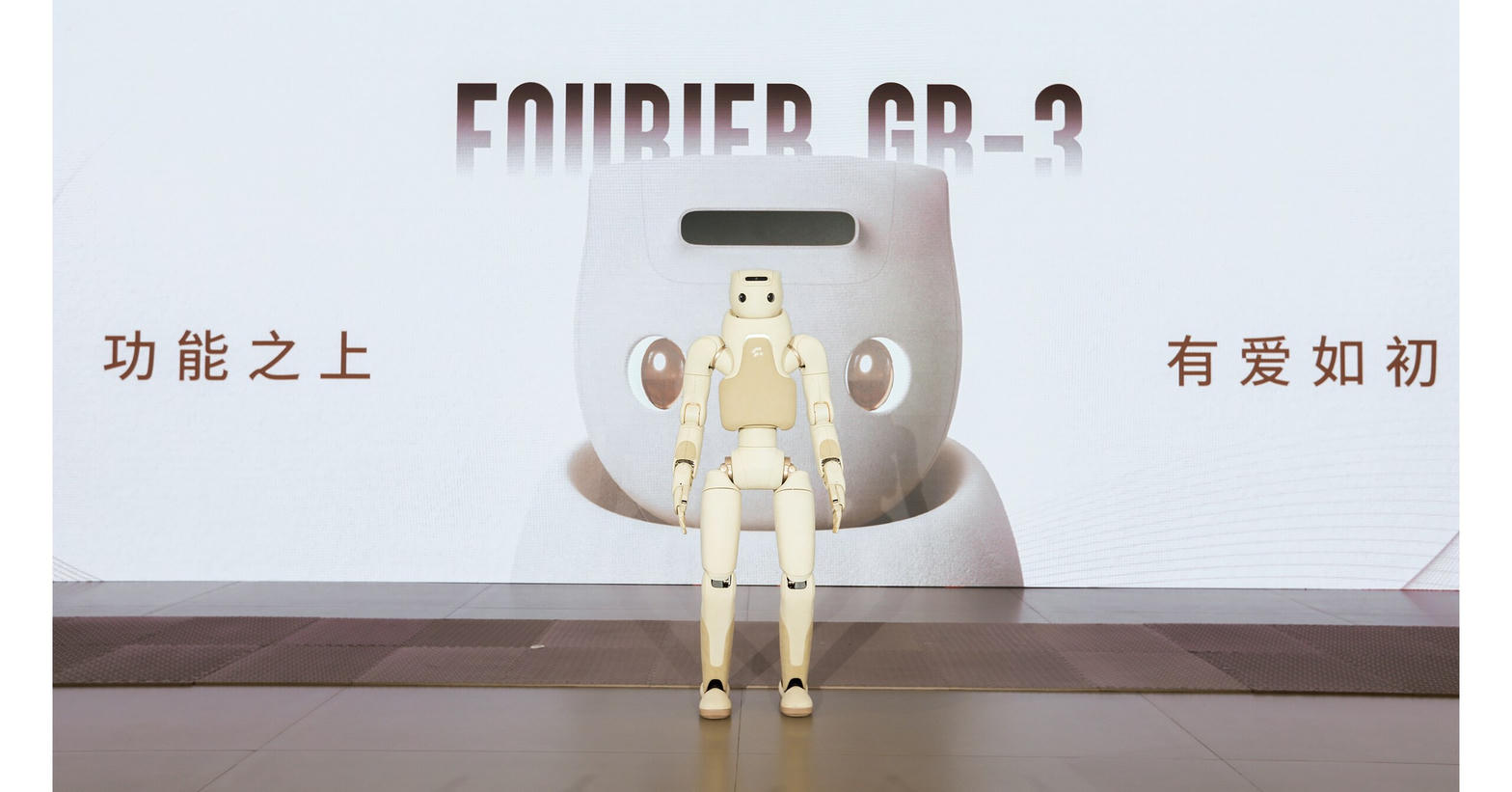
The sentence that is actually public comes from The Information, not from Meta. The standfirst, posted on 31 October by Amir Efrati, an editor there, says the company “built a prototype called Max with China’s Fourier and is now working on a second version.” His own line with the story is that Meta is developing a “physical embodiment of Muse,” and is already on version 2.0 of a humanoid. Reuters carried the partnership the same day and stopped there: a prototype with the Chinese firm, and work on a second version, “citing people familiar with the initiative.” Reuters then wrote that it could not immediately verify the report. A person familiar with a project is not a specification sheet, and an unverified wire story is not a product launch.
The weight and the timetable are in accounts of that piece, not in the Reuters paragraph. Those accounts say Max weighs about 106 pounds and was put together in about three months, and that Meta is not selling the units. This desk has not read the paywalled article, so those figures stay one step back from the headline. A further set has been attached in other write-ups and on social posts: an Nvidia Jetson Thor computer, a second version with better hands, sensors for stairs and a projector, and hiring in China. Reuters did not repeat any of them. Until the original sentences are the ones in front of us, a chip name and a projector are rumours riding on a report, not a bill of materials.
Fourier’s own machine is a different document, and it is older. The company unveiled GR-3 in August 2025 as a full-size “care-bot,” 165 centimetres tall, 71 kilograms, with up to 55 degrees of freedom. Seventy-one kilograms is about 156 pounds. That is not 106 pounds, and the release does not mention Meta. A partner’s catalogue robot is useful context for who Fourier is. It is not evidence that Max is a GR-3 with a new badge, and the report, as Reuters printed it, does not say which parts are Fourier’s and which are Meta’s. Muse, on Efrati’s wording, is the software idea the body is meant to carry. A household task the robot is hoped to do is not an hour it has already worked.
The timing sits next to a trade finding, and the two should not be folded together. Three days earlier the White House said robot imports threaten national security, then ordered talks rather than a tariff. A prototype built with a Chinese firm is the sort of supply chain that finding is about. It is not itself an import statistic, and it is not a duty. No price, no city of manufacture for Max, and no date a customer could buy one are in the material Reuters was willing to publish. Until Meta or Fourier puts the machine on a page of its own, Max is a name in a report.