Robotics · 20 November 2026 · 4 min read
Elon Musk Says Tesla Plans Steering-Wheel-Free, 6-to-7-Seat Autonomous Model Y
Speaking at the DealBook Summit, Musk outlined a larger pedal-free robotaxi variant, though he offered no timeline, pricing, or regulatory pathway past federal exemption limits.
Lede & Nut Graf
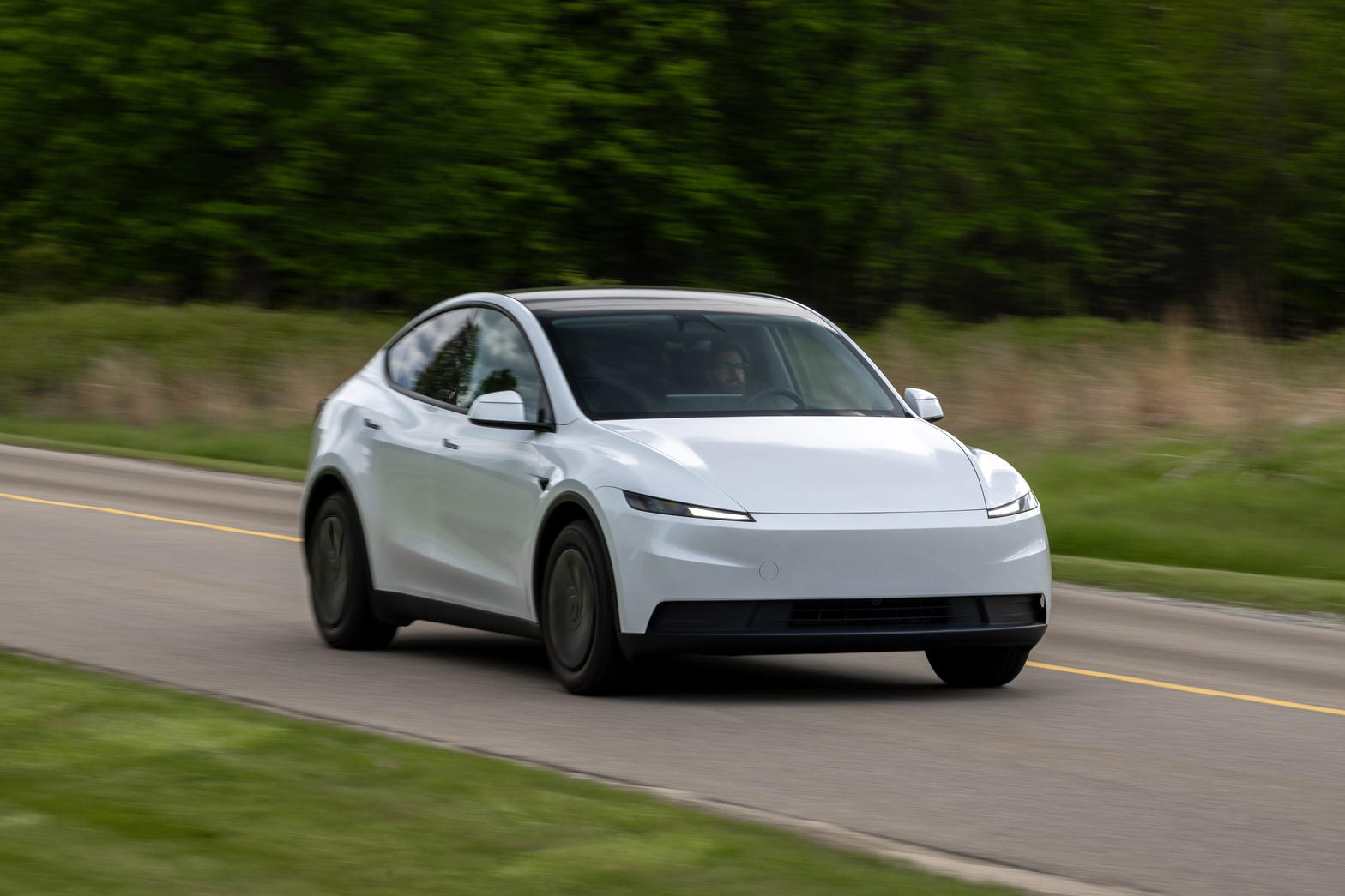
Tesla, Inc. Chief Executive Officer Elon Musk stated at The New York Times DealBook Summit on November 19, 2026, that Tesla plans to build a steering-wheel-free, pedal-free version of the Model Y capable of seating six to seven passengers (Electrek, Nov. 19, 2026; Auto Express, Nov. 20, 2026). The remarks point toward adapting the stretched Model Y L platform for higher-capacity autonomous ridesharing.
While a larger cabin addresses an obvious commercial limitation of Tesla’s two-seat Cybercab, the pitch underscored the persistent gap between Musk’s product vision and federal automotive deployment realities.
Technical & Financial Breakdown
Musk provided no production schedule, vehicle pricing, or factory allocation for the control-free Model Y. The announcement arrives just one week after Tesla opened personal orders for its two-seat Cybercab at $29,990—paired with a mandatory $299-per-month subscription—while commercial Cybercab operations remain geofenced to parts of Dallas and Austin (Electrek, Nov. 19, 2026).
From a fleet-economics standpoint, a six-to-seven-seat autonomous vehicle unlocks airport transfers, family trips, and group rideshare fares that a two-seat coupe cannot serve, improving revenue per vehicle-mile without designing a ground-up commercial van.
Second-Order Implications
Expanding into multi-passenger control-free vehicles puts Tesla in more direct competition with Waymo’s multi-passenger autonomous fleet, which already operates across major US metros using retrofitted production vehicles that retain standard controls.
However, removing the steering wheel and pedals triggers strict Federal Motor Vehicle Safety Standards (FMVSS) compliance barriers. Under current National Highway Traffic Safety Administration (NHTSA) Part 555 rules, automakers must secure a dedicated exemption for each control-free vehicle design, and federal law caps total exempted deployments at 2,500 vehicles per year per manufacturer unless Congress raises the limit.
Caveats & Open Questions
Without a disclosed production timeline, NHTSA exemption filing, or un-geofenced autonomous safety data, the control-free Model Y remains a verbal roadmap concept rather than a near-term revenue driver ``.
More in Robotics
- NVIDIA Physical AI Revenue Nearly Triples YoY, Pacing for $25 Billion in FY27 as Fab and AMR Deployments Scale
- BlackBerry QNX Targets Physical AI Robotics Growth as NVIDIA Standardizes on QNX for Halos Safety Stack
- Texas A&M Opens $200 Million Space Institute Near NASA JSC With Lunar and Martian Robotics Testbeds