AI · 19 October 2026 · 5 min read
Nvidia’s RTX Spark laptops are on sale from $2,599. The petaflop is the top of the range
ASUS, Dell, HP, Lenovo, Microsoft and MSI are selling the machines. Nvidia says they offer up to 1 petaflop of low-precision AI performance and up to 128 gigabytes of shared memory. The starting price is not tied to either figure.
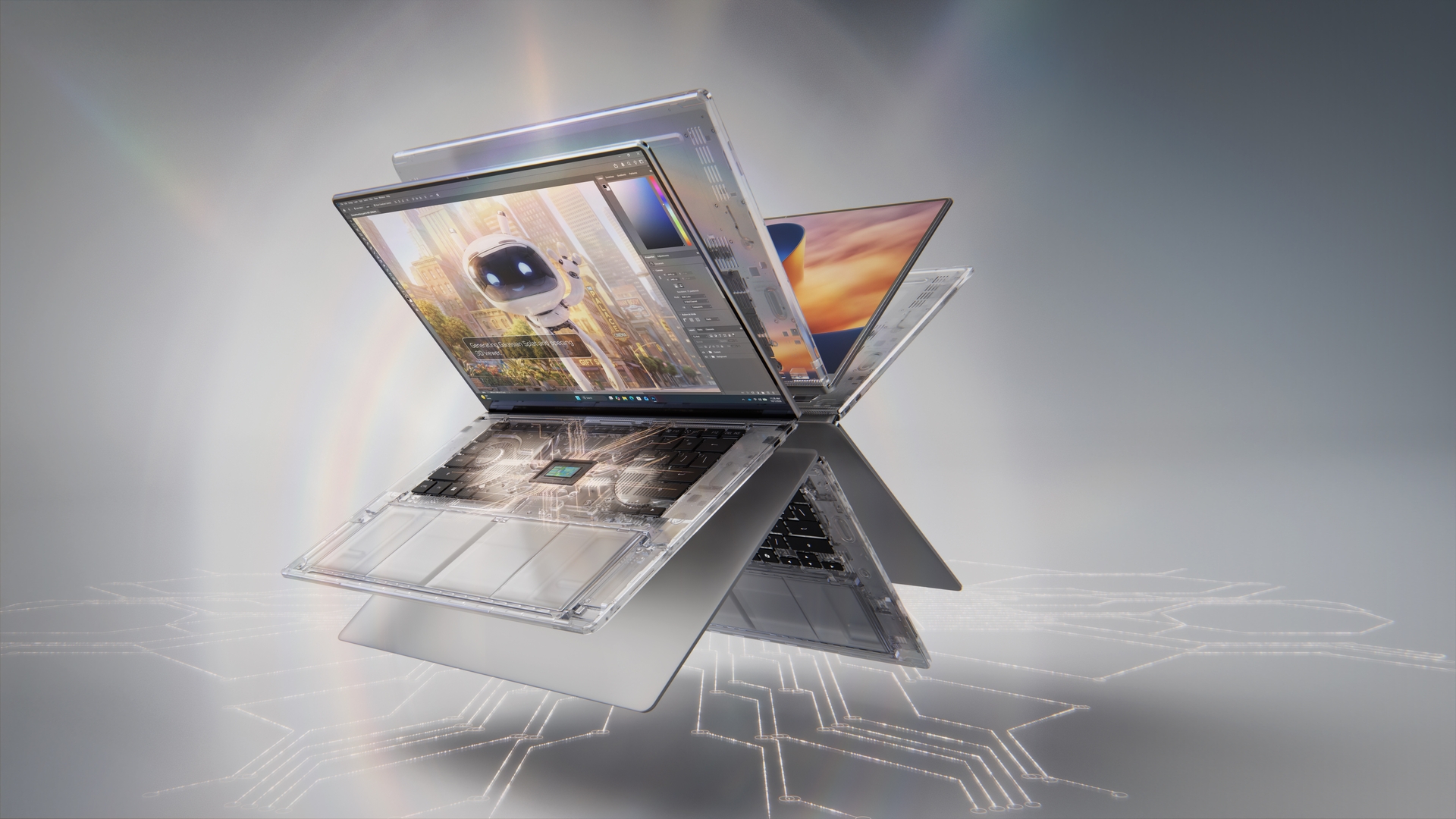
Nvidia said on 16 October that RTX Spark laptops are on sale. The brands in the first wave are ASUS, Dell, HP, Lenovo, Microsoft and MSI, through their own sites and major retailers. Nvidia’s price is “starting at $2,599,” and it says prices and configurations vary by country. The named machines include the ASUS ProArt P14 and P16, a Dell XPS 16, HP’s OmniBook Ultra and OmniBook X 14, Lenovo’s Yoga Pro 9n, Microsoft’s Surface Laptop Ultra, and two MSI Prestige models. More systems are to follow. A starting price is the cheapest configuration Nvidia is willing to put in the release, not the price of the machine with 128 gigabytes of memory.
The performance line is “up to 1 petaflop” of FP4 AI performance, and “up to 128 gigabytes” of unified memory. FP4 is a low-precision format used to run models. It is not the precision used for ordinary calculation. “Up to” means the top configuration, not every laptop in the range. Nvidia says the machines can run large language models and AI agents on the device itself, render 3D scenes it puts above 90 gigabytes, edit 8K video, and play games. It says local agents are supported from day one. It does not name a model, a speed in tokens per second, or a test a reader can repeat.
On the laptop is the point. The number is not
A model that runs on a machine the buyer owns is not rented by the token. That is the change from an API: the weights stay on the laptop, the work does not have to leave the desk, and a cloud outage is not the thing that stops it. Nvidia is selling that as a slim Windows PC for people who create, play games, and run agents that read and write. A petaflop, in the form Nvidia is using, is a way of counting low-precision operations. It does not say which model fits, how fast that model answers, or how much of the memory the operating system has already taken.
What a buyer can check this week is narrower. Is a machine at $2,599 actually in stock, and how much memory does that price buy? Nvidia’s release does not attach the starting price to a memory size. Until a retailer does, the figure to read is the specification printed next to the price, not the largest number in the announcement.