Infrastructure · 23 November 2026 · 4 min read
Companion Bills From Sen. Wyden and Rep. Dexter Seek to Ban AI Data Centers on Federal Public Lands
Following an Interior Board of Land Appeals project halt and midterm voter backlash over energy and water footprints, federal lawmakers are targeting public-land permits and local non-disclosure agreements.
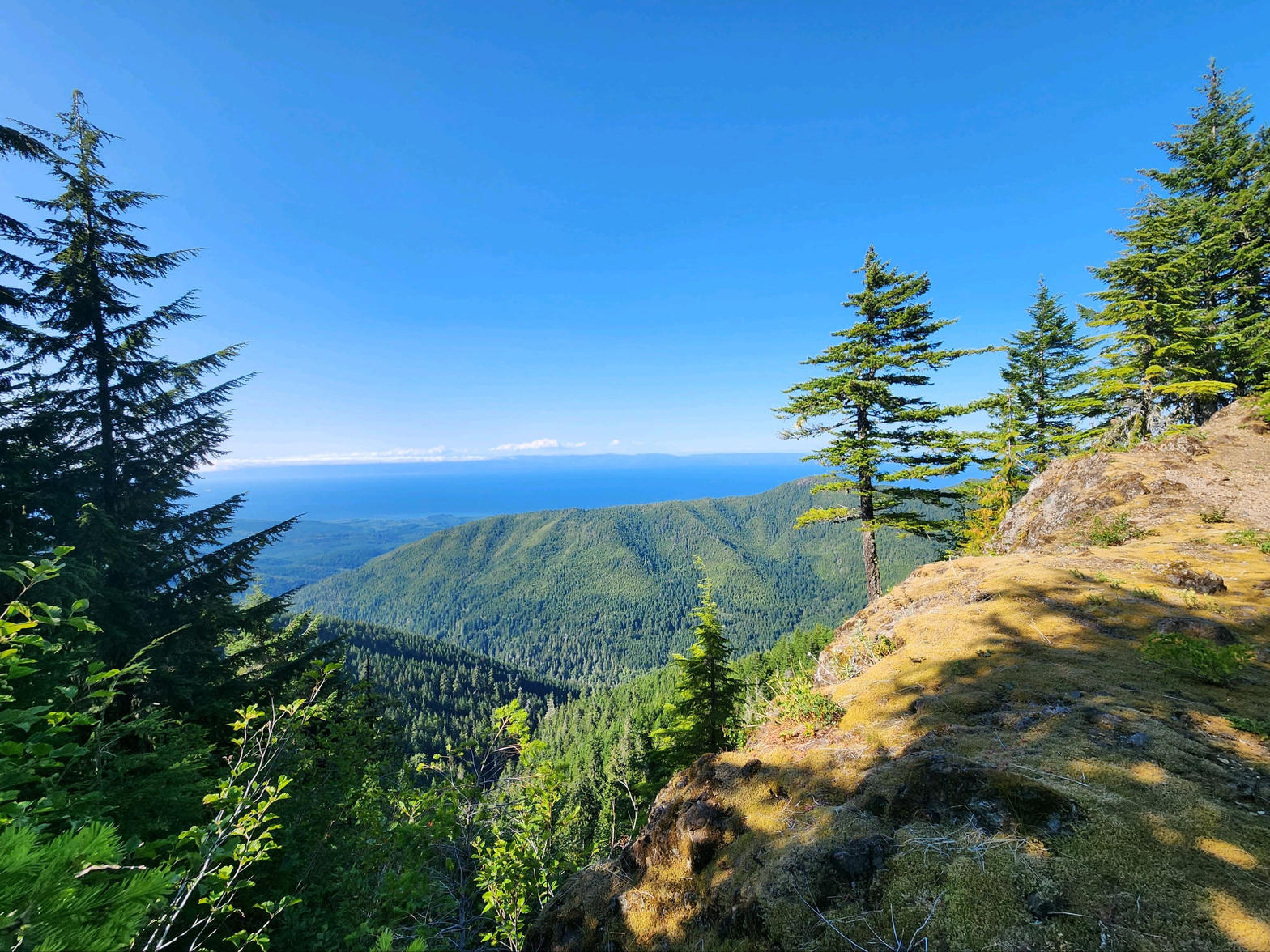
Hyperscale artificial intelligence (AI) developers eyeing vast tracts of western federal acreage for gigawatt-scale campuses are confronting escalating legislative and administrative opposition in Washington (Sierra Club, Nov. 23, 2026). Anchored by companion legislation from Oregon Senator Ron Wyden (introduced September 30) and Oregon Representative Maxine Dexter (introduced November 11), lawmakers are moving to ban data center and related infrastructure construction on federal public lands managed by the US Forest Service and the Department of the Interior.
The legislative push underscores a shifting political reality after the 2026 midterms: data center siting has graduated from a quiet local zoning issue into a national political flashpoint driven by electricity bills, water allocation, and public-land stewardship.
Technical & Financial Breakdown
Opponents point to researchers’ estimates that US data center electricity demand now equals nearly 2% of total national power consumption, corresponding to roughly 25.7 million metric tons of carbon dioxide (CO2) emissions annually (Sierra Club, Nov. 23, 2026).
Resistance is advancing simultaneously across administrative appeals and congressional committees:
- Administrative Permit Halts: In September 2026, the Interior Board of Land Appeals (IBLA) temporarily halted a federal-land project authorization following challenges from Boulder City, the Sierra Club Toiyabe Chapter, and the Center for Biological Diversity, finding the government’s approval was likely unlawful.
- Bipartisan Committee Scrutiny: Beyond public-land bans, House Energy and Commerce Subcommittee on Environment Chairman Gary Palmer (R-AL) has led hearings examining data center water infrastructure costs, while House Judiciary Ranking Member Jamie Raskin opened an investigation into developers’ use of non-disclosure agreements (NDAs) restricting state and local officials from disclosing projected resource consumption (Morrison Foerster, Oct. 29, 2026).
Second-Order Implications
Even if the Wyden and Dexter bills face steep hurdles to passage in a divided Congress, administrative appeals before the IBLA and National Environmental Policy Act (NEPA) litigation can delay federal-land energy and fiber right-of-way permits by years. For hyperscalers and infrastructure funds, the legal friction reinforces the value of private brownfield industrial sites—such as retired coal plants and privately held West Texas ranches—over federal acreage.
Caveats & Open Questions
Neither the Wyden nor Dexter bills have yet advanced out of committee or secured a floor vote, and executive-branch agencies retain broad discretion over non-wilderness federal leasing unless Congress enacts a statutory prohibition .
More in Infrastructure
- Taiwan’s TAIEX Posts Record 3,300-Point Intraday Surge as TSMC Hits 10% Limit-Up on Jensen Huang’s Return to NVIDIA
- California Public Universities Build On-Campus AI Data Centers as Community Colleges Seek $21 Million for Shared Network
- FERC Approves MISO Interconnection Overhaul to Clear 35 GW Legacy Queue and Protect 125 GW Generation Backlog