Infrastructure · 23 November 2026 · 5 min read
FERC Approves MISO Interconnection Overhaul to Clear 35 GW Legacy Queue and Protect 125 GW Generation Backlog
Retroactive to October 19, the federal order caps final-phase restudies at one and raises the penalty-free withdrawal threshold to a 50% network-upgrade cost jump across MISO’s 15-state footprint.
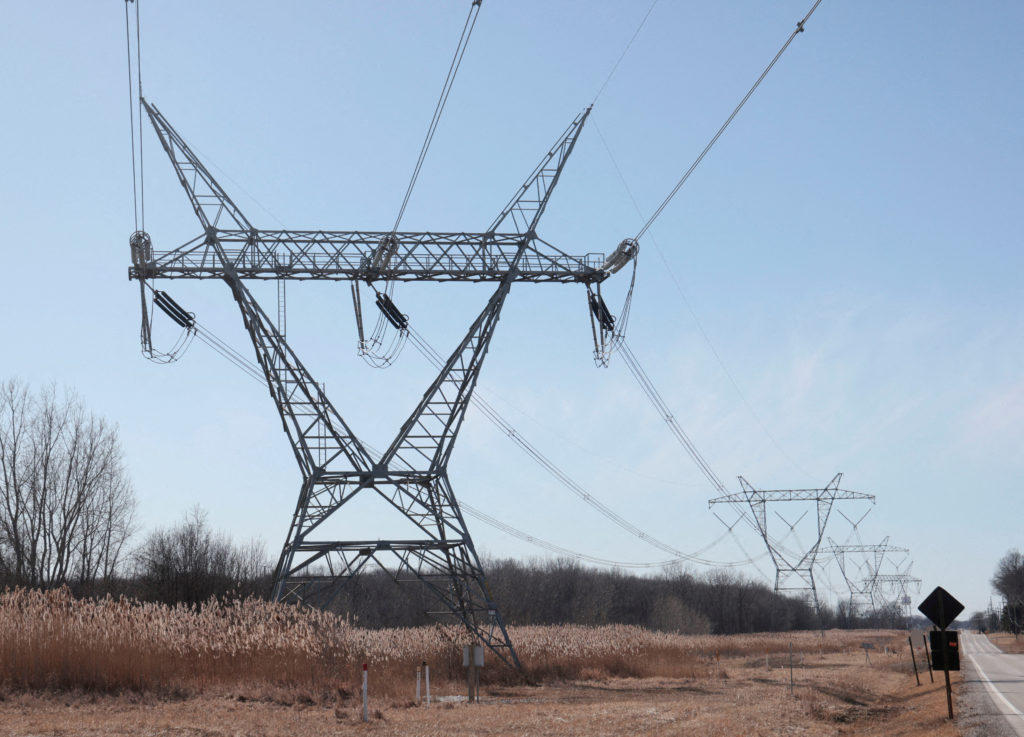
The Federal Energy Regulatory Commission (FERC) approved tariff revisions from the Midcontinent Independent System Operator (MISO) on Monday, November 23, 2026, aimed at accelerating its stalled 35-gigawatt (GW) 2022 interconnection study cycle before cascading restudies further delay nearly 125 GW of queued generation (Utility Dive, Nov. 23, 2026; MLQ.ai, Nov. 23, 2026). Concluding that MISO "has demonstrated a need to expeditiously process its queue," FERC granted an October 19, 2026 retroactive effective date for the rules.
With Midwest utilities racing to serve hyperscale artificial intelligence (AI) data centers across Illinois, Indiana, Iowa, and Louisiana, clearing MISO’s generation backlog is essential to turning paper megawatts into energized substations.
Technical & Financial Breakdown
MISO’s Definitive Planning Phase–2022 (DPP-2022) cycle holds roughly 35 GW of active generation projects, sitting at the front of four active study cycles encompassing nearly 600 projects totaling almost 125 GW (Utility Dive, Nov. 23, 2026; MLQ.ai, Nov. 23, 2026). Historically, whenever one developer withdrew late in a cycle due to unexpected transmission upgrade costs, MISO had to recalculate power-flow allocations for every remaining project—triggering multi-year restudy spirals.
The FERC-approved tariff cuts that feedback loop through three structural changes:
- Single Final Restudy Cap: Restudies in the final study phase are now strictly capped at one for DPP-2022 and all subsequent interconnection cycles.
- Higher Withdrawal Threshold: The penalty-free developer exit threshold rises from a 35% to a 50% increase in assigned network upgrade costs, aligning DPP-2022 with standards FERC previously approved for MISO’s 2023 and later cycles.
- Clean Exit Window: Developers were permitted a penalty-free exit window prior to Decision Point II on October 20 to clear non-viable projects before final restudy lock-in.
FERC rejected protests from renewable developers Ranger Power (which argued the penalty-free exit rewarded speculative behavior) and Pathway Power (which challenged the 50% threshold justification).
Second-Order Implications
The order addresses the supply side of MISO’s grid crunch directly alongside a separate FERC filing submitted by MISO and member utilities last week seeking to bind large loads—primarily AI data centers—to long-term grid contracts (MLQ.ai, Nov. 23, 2026). Pairing stricter generation queue discipline with multi-year load commitments mirrors PJM’s Fast Energization push, signaling a nationwide regulatory shift toward filtering speculative megawatts on both sides of the meter.
Caveats & Open Questions
Capping administrative restudies shortens study timelines on paper, but higher 50% cost-absorption thresholds mean mid-sized renewable and storage developers face steeper financing risk if transmission upgrade bills spike mid-cycle. MISO has not yet published how many gigawatts exited DPP-2022 during the October 20 Decision Point II window or the exact updated completion date for the 35 GW cluster .
More in Infrastructure
- Taiwan’s TAIEX Posts Record 3,300-Point Intraday Surge as TSMC Hits 10% Limit-Up on Jensen Huang’s Return to NVIDIA
- California Public Universities Build On-Campus AI Data Centers as Community Colleges Seek $21 Million for Shared Network
- Off-Grid Costs Will Push Data Centers Back to Utilities, Says Mitsubishi Heavy Industries CEO as Turbine Backlog Reaches 37 GW