Infrastructure · 4 November 2026 · 5 min read
National Grid has a deal for 73 acres at Teesside. The substation is not built, and the planning file is still open
Teesworks said on 2 November that it has completed a deal for National Grid Electricity Transmission to buy 73.3 acres at Dorman Point. The seller expects the UK’s largest substation there, with 1,440 MVA scheduled online by the end of 2029. The chairman says the land still has to be remediated and handed over. An outline application was still undecided on 3 November.
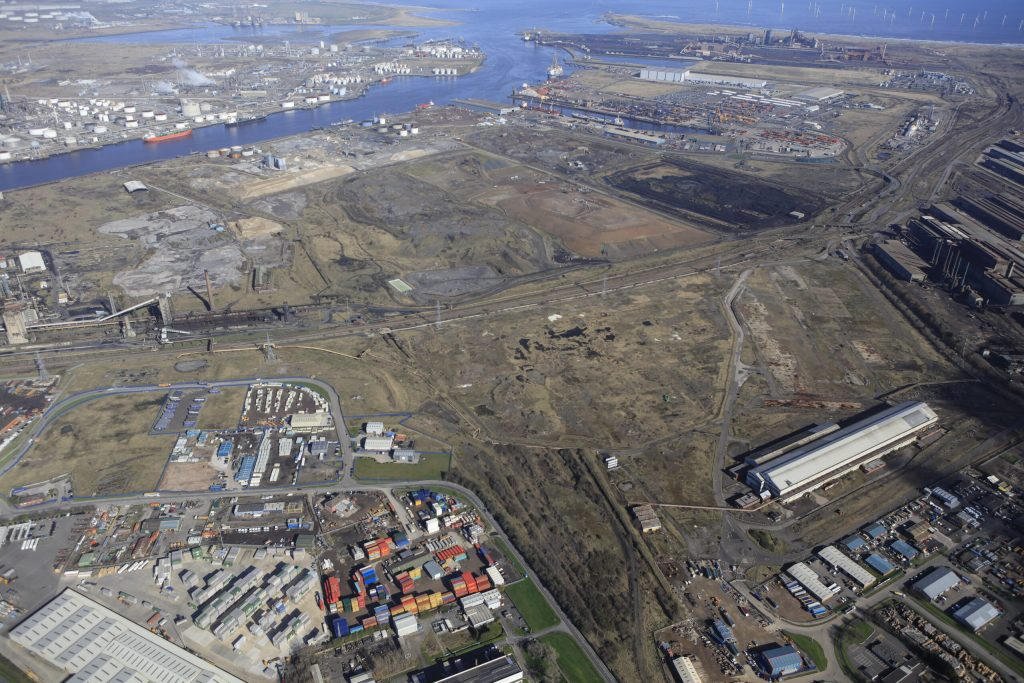
Teesworks, in its own release, says the agreement was reached on 28 October and announced on 2 November. The buyer is National Grid Electricity Transmission. The plot is 73.3 acres at Dorman Point, under existing 275 kV and 400 kV lines. The seller calls the scheme Teesside Node A, and names Balfour Beatty as National Grid’s contractor. The BBC, the same day, reported the land as sold. Teesworks states the additional supply to Steel River Power as 1.44 GW, and the initial substation capacity as 1,440 MVA, scheduled online by the end of 2029. A gigawatt and a megavolt-ampere are not the same unit. Neither number is a meter reading from a finished site.
Steel River Power runs the private network on the estate. Teesworks says that network is 360 MVA today, of which 200 MVA is available to businesses, and that the extra 1,440 MVA has been contracted with National Grid since 2024. The price of the land is not in the release. “Largest in the UK” is the seller’s expectation, repeated in the BBC headline. It is not a measurement against every other substation.
A deal, a handover, and a planning file
Chris Musgrave, chairman of Teesworks, calls the agreement a milestone and then names the next job: “delivering the remediation works and preparing the land for handover.” Matt Pearce, National Grid’s head of land, calls it “an important step forward in the development of the new substation”, inside what National Grid calls the Great Grid Upgrade. An important step is not a switched-on megawatt.
The planning file is a third fact. National Grid Electricity Transmission submitted an outline application, reference R/2026/0711/OOM, for a 400 kV substation west of Tees Dock Road at Grangetown, with all matters reserved. When the council register was checked on 3 November, the application was valid and undecided. Consultation runs to 11 November. An agreement for empty land, and an application that has not been decided, are not a built substation.
The comparisons should stay with the people who made them. The BBC likened 1.44 GW to a million homes at once, or to a nuclear reactor. Teesworks likened the same supply to Greater Manchester and Glasgow combined. Mayor Ben Houchen says a contracted 1.44 GW, “with further expansion up to 3.2 GW in the near future,” means the region “can finally compete” for data centres and large industrial projects. Competing for a project is not hosting one. This is the same class of fact as the Selby plan filed on 3 November: a site, a partner, and a megawatt that is still ahead of the machine.
More in Infrastructure