Infrastructure · 22 November 2026 · 5 min read
CoreWeave’s $47 Billion Debt Load Draws Fresh Scrutiny Ahead of $10 Billion in 2027 Maturities
Rapid revenue growth ($3.66B in Q3) and $9 billion in expected customer prepayments cushion near-term liquidity, but NVIDIA’s 48% stock drop puts leveraged GPU collateral under a microscope.
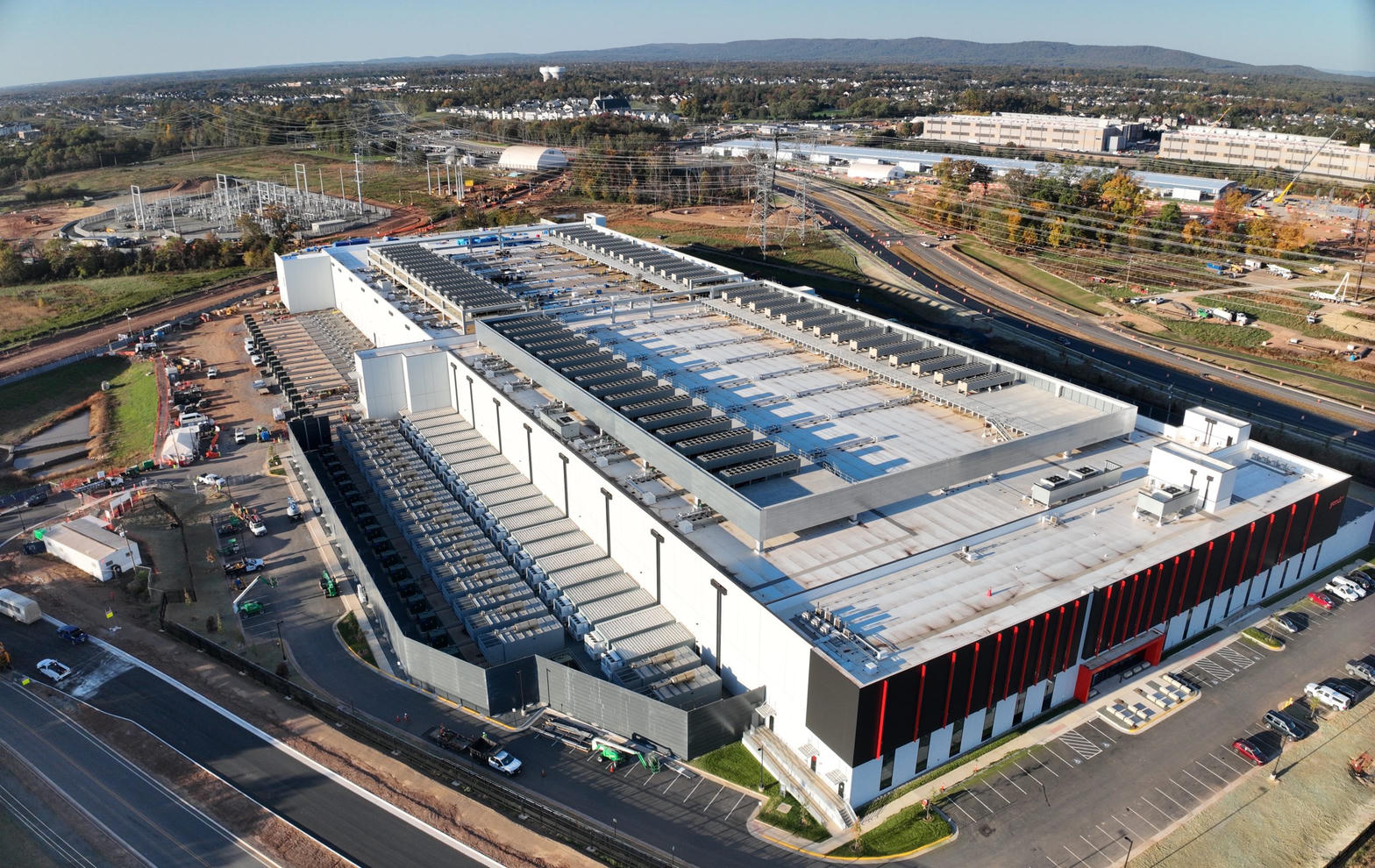
Lede & Nut Graf
Neocloud infrastructure leader CoreWeave is facing intensifying investor scrutiny over its $47 billion-plus principal debt load—including $10 billion maturing next year—following NVIDIA’s steep post-earnings sell-off and executive shake-up (The Guardian, Nov. 21, 2026; CTOL Digital Solutions, Nov. 22, 2026).
As the flagship example of debt-financed artificial intelligence (AI) cloud construction, CoreWeave’s balance sheet has become the market’s primary barometer for whether specialized graphics processing unit (GPU) landlords can generate enough free cash flow to retire debt before their silicon becomes economically obsolete.
Technical & Financial Breakdown
Securities and Exchange Commission (SEC) filings show CoreWeave’s total principal debt has surged to roughly $47 billion to $47.5 billion, with debt principal net of unrestricted cash and marketable securities projected to exceed $43.32 billion by year-end 2026 (CTOL Digital Solutions, Nov. 22, 2026). Over the next three years, scheduled debt service equals roughly two years of income, and the company is preparing yet another debt raise (The Guardian, Nov. 21, 2026).
The commercial bull case rests on rapid revenue scaling and upfront cash collection. Q3 2026 revenue nearly tripled year over year to $3.66 billion (up from $1.37 billion), while single-customer concentration improved from 67% a year earlier to 30% and 24% across its top two customers. CoreWeave also held $9.84 billion in September liquidity and expects roughly $9 billion in customer prepayments and deposits within three months of its November update—providing a substantial near-term buffer against 2027 maturities.
The structural bear case centers on hardware lifespans: CoreWeave depreciates its GPU collateral over a six-year schedule. With NVIDIA ramping liquid-cooled Vera Rubin NVL72 racks delivering up to 2x performance per GPU over Blackwell Ultra, skeptics warn that older air-cooled or Hopper-generation clusters may see sharp rental-rate compression well before year six.
Second-Order Implications
CoreWeave’s capital structure is tightly intertwined with credit-market appetite for AI hardware paper. With SpaceX’s off-balance-sheet GPU trust paying 8.259% yields this week and NVIDIA interim CEO Colette Kress signaling NVIDIA will become more selective on future ecosystem financing deals, refinancing $10 billion in 2027 maturities will test borrowing spreads across the entire neocloud sector.
Caveats & Open Questions
Customer prepayments strengthen short-term cash balances but create future service liabilities that must be fulfilled with high-uptime power and cooling. CoreWeave’s upcoming FY2026 Form 10-K—expected in March 2027—will be the decisive check on year-end net debt, weighted-average interest rates on new facilities, and whether any hyperscale anchor customers renegotiate pricing on legacy GPU clusters.
More in Infrastructure
- FERC Approves Five Major Natural Gas Pipeline and Storage Projects Across Virginia, Texas, and Gulf Coast
- Ohio Regulators Approve Two Dedicated Behind-the-Meter Gas Plants Totaling 2,150 MW for Data Centers
- Seven-State Ratepayer Coalition and Market Monitor Urge PJM to Delay December Capacity Auction Over Data Center Costs