Infrastructure · 20 November 2026 · 5 min read
FERC Approves Five Major Natural Gas Pipeline and Storage Projects Across Virginia, Texas, and Gulf Coast
Federal regulators certificated 600,000 Dth/day of new Mid-Atlantic pipeline capacity and 750,000 Dth/day across New Mexico and Texas as natural gas remains the backbone of US firm power.
Lede & Nut Graf
The Federal Energy Regulatory Commission (FERC) approved certificates for five major US natural gas pipeline, storage, and liquefied natural gas (LNG) infrastructure projects during its November 19, 2026 open commission meeting (FERC official news release, Nov. 19, 2026). Alongside the votes, FERC published a first-year milestone report highlighting 61 natural gas project approvals totaling 20.5 billion cubic feet per day (Bcf/d) and 56,713 megawatts (MW) of new US generating capacity added over the past year.
For US data center developers and energy investors, the approvals address a critical secondary bottleneck: even where utilities or hyperscalers secure gas turbines, firm pipeline deliverability has severely constrained baseload power additions in Virginia and Texas.
Technical & Financial Breakdown
FERC’s November 19 certificates unlock nearly 1.5 million dekatherms per day (Dth/day) of new firm interstate natural gas transportation across key US power corridors (FERC, Nov. 19, 2026):
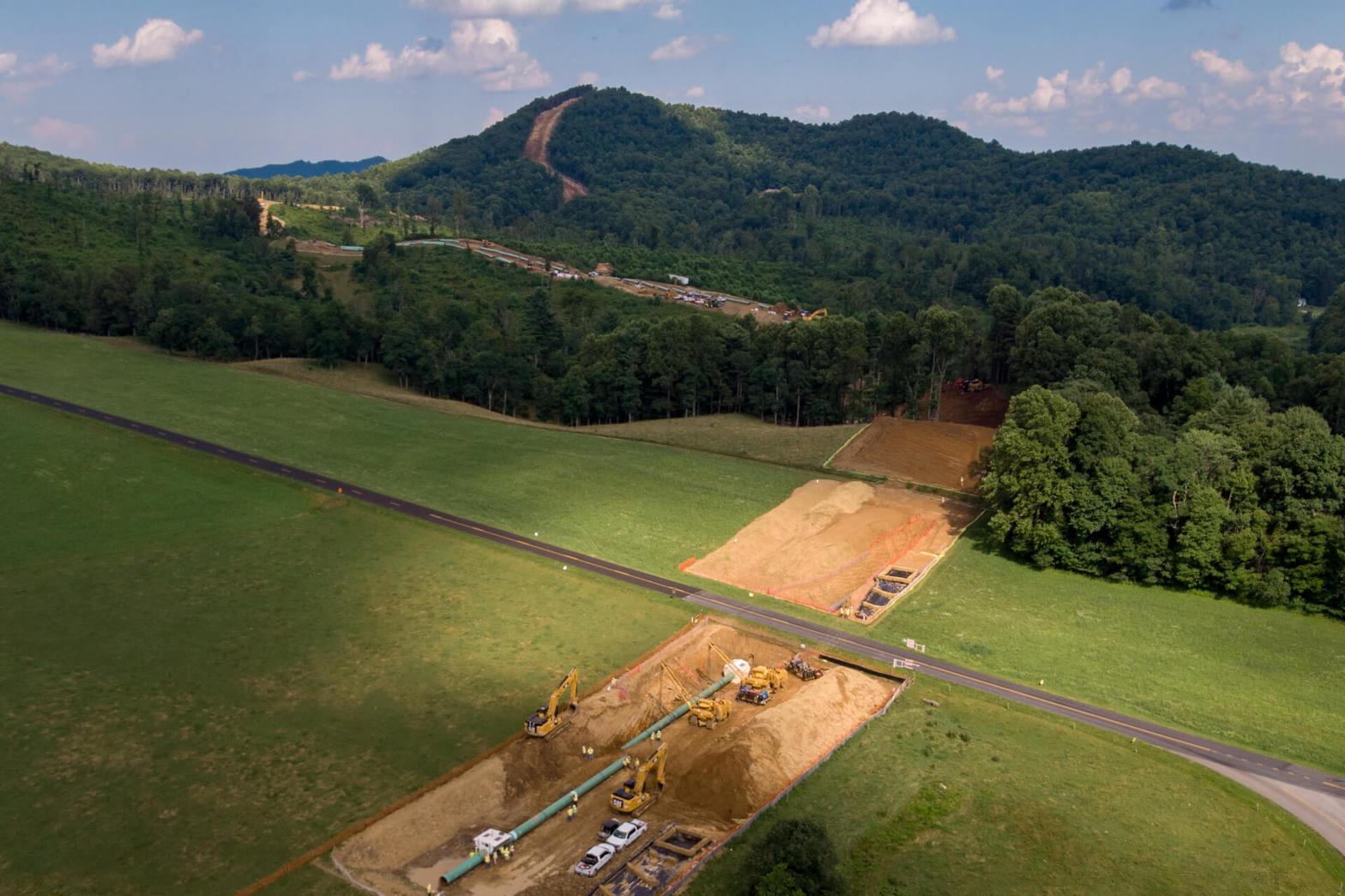
- MVP Boost Project (Mountain Valley Pipeline, LLC): Adds 600,000 Dth/day of firm transportation capacity across Montgomery County, Virginia, and Wetzel, Braxton, and Fayette counties, West Virginia—feeding directly into the power-starved Mid-Atlantic/PJM Interconnection corridor.
- Forza Pipeline (Forza Pipeline LLC): Authorizes roughly 36 miles of new pipeline and related facilities across New Mexico and Texas, delivering up to 750,000 Dth/day of firm capacity.
- Southeast Virginia Energy Storage Project (Columbia Gas Transmission, LLC): Certificates a new LNG storage plant in Sussex County, Virginia, with up to 10,000 Dth/day of liquefaction capacity and 1.1 million Dth/day of storage capacity.
- Texas Eastern Line 31 Expansion: Authorizes a delivery lateral and compressor station in Madison County, Mississippi, adding 125,000 Dth/day of firm service.
- Sabine Pass Stage V: Approves three additional LNG liquefaction trains in Louisiana.
Second-Order Implications
The MVP Boost and Southeast Virginia Energy Storage approvals directly bolster winter peak-fuel reliability in Dominion Energy’s Virginia territory—home to the world’s densest concentration of hyperscale data centers. Similarly, Forza’s 750,000 Dth/day expansion relieves Permian-to-Texas takeaway pressure as West Texas and Gulf Coast data center campuses increasingly turn to onsite gas turbines.
For midstream energy and power-generation equities, FERC’s 61-project annual approval pace confirms a durable federal permitting tailwind for firm thermal fuel infrastructure.
Caveats & Open Questions
A FERC certificate is a major regulatory hurdle cleared, not immediate gas flow. Projects like MVP Boost remain exposed to state-level water permits, right-of-way litigation, environmental court challenges, and multi-year compressor equipment lead times ``.
More in Infrastructure
- CoreWeave’s $47 Billion Debt Load Draws Fresh Scrutiny Ahead of $10 Billion in 2027 Maturities
- Ohio Regulators Approve Two Dedicated Behind-the-Meter Gas Plants Totaling 2,150 MW for Data Centers
- Seven-State Ratepayer Coalition and Market Monitor Urge PJM to Delay December Capacity Auction Over Data Center Costs