Infrastructure · 20 November 2026 · 4 min read
Ohio Regulators Approve Two Dedicated Behind-the-Meter Gas Plants Totaling 2,150 MW for Data Centers
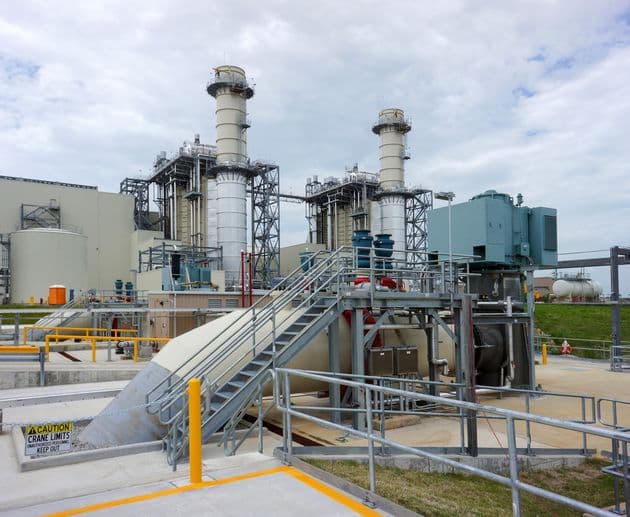
The Ohio Power Siting Board cleared Advanced Power’s 1,350 MW plant for Vantage Data Centers and an 800 MW facility in Pickaway County, highlighting the rise of off-grid AI power.
Lede & Nut Graf
The Ohio Power Siting Board approved state permits on November 19, 2026, for two massive, behind-the-meter natural gas-fired power plants totaling 2,150 megawatts (MW) designed exclusively to power adjacent data center campuses (Signal Ohio, Nov. 19, 2026; TECS Engineering, Nov. 20, 2026). Neither facility will sell a single kilowatt-hour onto the public utility grid.
The approvals crystallize two defining trends in US artificial intelligence (AI) infrastructure: hyperscalers and colocation developers are building gigawatt-scale private utilities to bypass congested regional transmission queues, and state energy boards are routinely greenlighting those projects despite intense local voter opposition.
Technical & Financial Breakdown
The larger of the two projects, Massachusetts-based Advanced Power’s Fairfield Energy Center, is a 1,350 MW natural gas-fired plant spanning 120 acres in Millersport, Fairfield County (Signal Ohio, Nov. 19, 2026). Its entire electrical output is dedicated to four data centers on a $2.1 billion campus owned by Denver-based Vantage Data Centers near Buckeye Lake.
Roughly 30 minutes southwest in Pickaway County, the board also approved the 800 MW Ashville Energy Center under a modified stipulation between PowerConneX, the village of Ashville, and board staff carrying 41 conditions (TECS Engineering, Nov. 20, 2026). Notably, the siting board emphasized that its statutory authority covers only the power generation facilities—not the neighboring data centers themselves.
Because both plants operate strictly off-grid, they cannot rely on the PJM Interconnection bulk system for instant backup power; N+1 or N+2 redundancy must be engineered directly onsite via additional turbine/engine units, cooling loops, and spare-parts inventories.
Second-Order Implications
Approving 2,150 MW of captive gas generation cements central Ohio—already a major Midwest cloud hub—as a testing ground for private, islanded AI power campuses alongside Texas. For utility ratepayers, behind-the-meter gas plants avoid socializing billions in transmission-grid upgrades across residential bills, which helps explain why state regulators and union construction trades have backed the permits.
Yet the political disconnect is stark. Across Ohio in 2026, all 18 local data center moratoriums and zoning exclusions placed on municipal ballots passed (Signal Ohio; TECS Engineering, Nov. 20, 2026).
Caveats & Open Questions
Bypassing utility interconnection queues does not eliminate execution risk. Both plants still face multi-year gas-turbine procurement backlogs, state air-emission compliance, and potential appellate or local legal challenges—particularly around Ashville, where ongoing construction and local ballot disputes have already triggered regulatory filings ``. Sustained voter backlash across 18 Ohio communities also raises the risk that state lawmakers move to tighten siting-board statutes in 2027.
More in Infrastructure
- CoreWeave’s $47 Billion Debt Load Draws Fresh Scrutiny Ahead of $10 Billion in 2027 Maturities
- FERC Approves Five Major Natural Gas Pipeline and Storage Projects Across Virginia, Texas, and Gulf Coast
- Seven-State Ratepayer Coalition and Market Monitor Urge PJM to Delay December Capacity Auction Over Data Center Costs