Infrastructure · 19 November 2026 · 5 min read
PJM Pitches One-Year Data Center Grid Studies as Utilities Seek 10-to-20-Year FERC Lock-In Tariffs
Responding to FERC’s June show-cause orders, grid operators proposed unified study clocks while transmission owners moved to shield ratepayers from stranded grid upgrades.
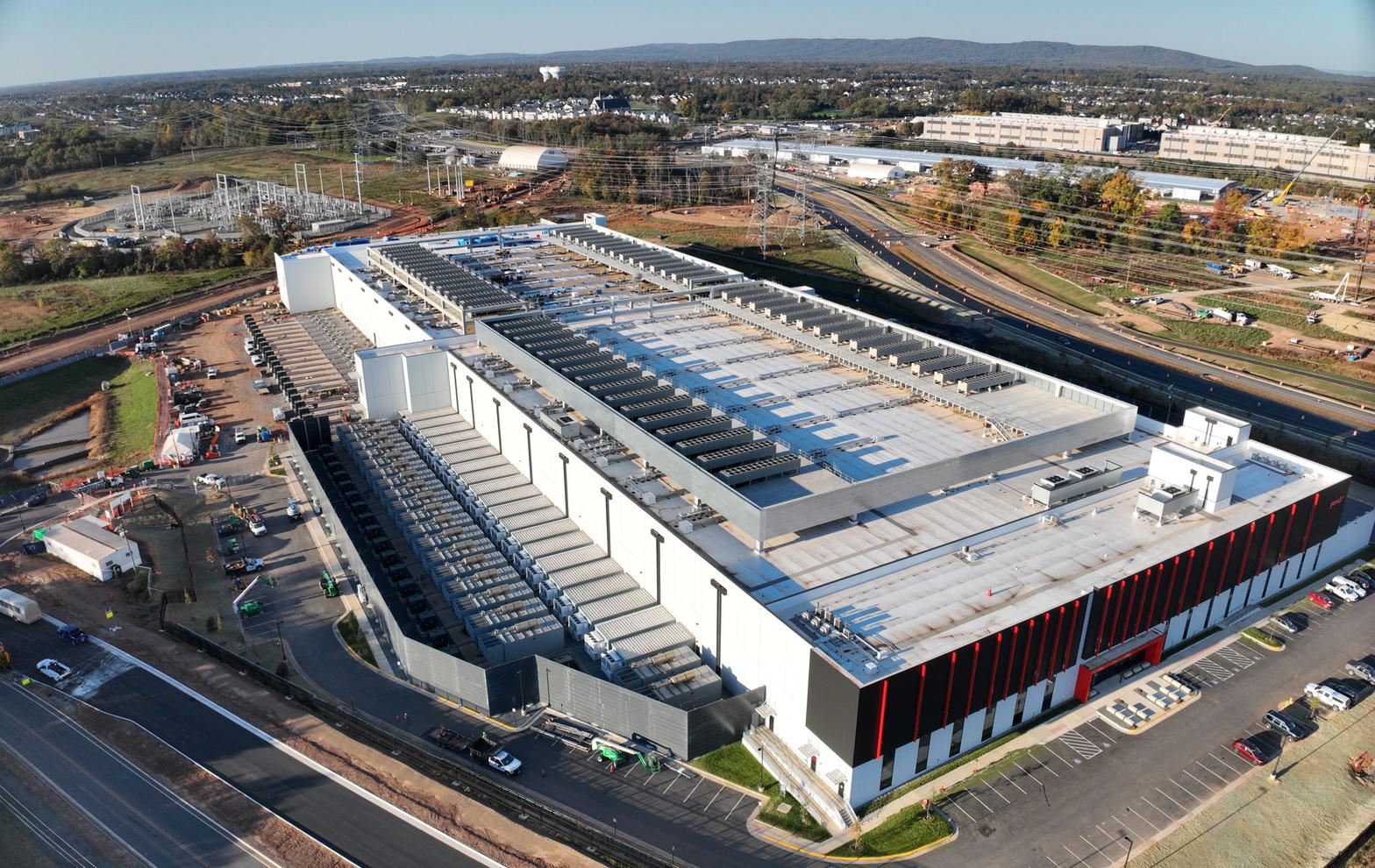
Five major US grid regions and their transmission-owning utilities submitted competing tariff proposals to the Federal Energy Regulatory Commission (FERC) by the November 16, 2026 deadline, initiating a high-stakes federal ruling on how fast—and under what financial guarantees—hyperscale artificial intelligence (AI) data centers connect to the bulk power grid (PJM Inside Lines, Nov. 16, 2026; Latitude Media, Nov. 18, 2026).
While regional transmission organizations (RTOs) focused on compressing engineering review backlogs, utilities countered with multi-decade cost-recovery contracts designed to prevent everyday ratepayers from absorbing stranded transmission upgrades if speculative AI load evaporates.
Technical & Financial Breakdown
Answering FERC’s June show-cause orders, PJM Interconnection proposed "Fast Energization," combining historically separate generation interconnection and large-load transmission studies into a single review track (PJM Inside Lines, Nov. 16, 2026). PJM projects the reform will halve study timelines from roughly two years to one, while pulling financial readiness deposits earlier in the process to clear out speculative queue placeholders. PJM asked FERC for a 60-day comment window and a final order within 120 days.
On the same day, transmission owners filed parallel federal cost-recovery tariffs across four major markets (MLQ.ai; FERC eLibrary, Nov. 16–18, 2026):
- PJM Transmission Owners (Docket ER27-520): Mandate direct cost-recovery contracts obligating data centers to pay at least 80% of expected transmission charges.
- Midcontinent Independent System Operator (MISO, Docket ER27-526): Proposed three-way transmission agreements locking in developers for up to 20 years.
- New York (ER27-529) and California Utilities (Southern California Edison ER27-508; PG&E ER27-513): Filed 15-year transmission commitment structures.
The federal dockets extend state-level minimum-demand tariffs already enacted by utilities such as Dominion Energy (14-year, 85% minimum floor in Virginia) and AEP Ohio (12-year, 85% floor) (Latitude Media, Nov. 18, 2026). A sixth region, the Southwest Power Pool (SPP), is scheduled to submit its filing by November 20.
Second-Order Implications
Federalizing 10-to-20-year take-or-pay transmission obligations fundamentally alters AI site-selection economics. Developers that previously filed duplicate gigawatt requests across multiple utilities to preserve optionality will face steep upfront collateral and long-term balance-sheet liabilities.
Even if FERC approves Fast Energization, PJM explicitly noted that compressing study timelines does not accelerate physical steel-in-the-ground construction. Multi-year backlogs for high-voltage breakers, large power transformers, and transmission siting remain the true constraint on energization dates.
Caveats & Open Questions
Approval is far from guaranteed. FERC rejected major elements of PJM’s previous large-load proposal in October 2026 over federal-state jurisdictional boundaries (Latitude Media, Nov. 18, 2026). With public comments on several utility filings due December 7, legal challenges over retail versus wholesale authority could push implementation well into 2027.
More in Infrastructure